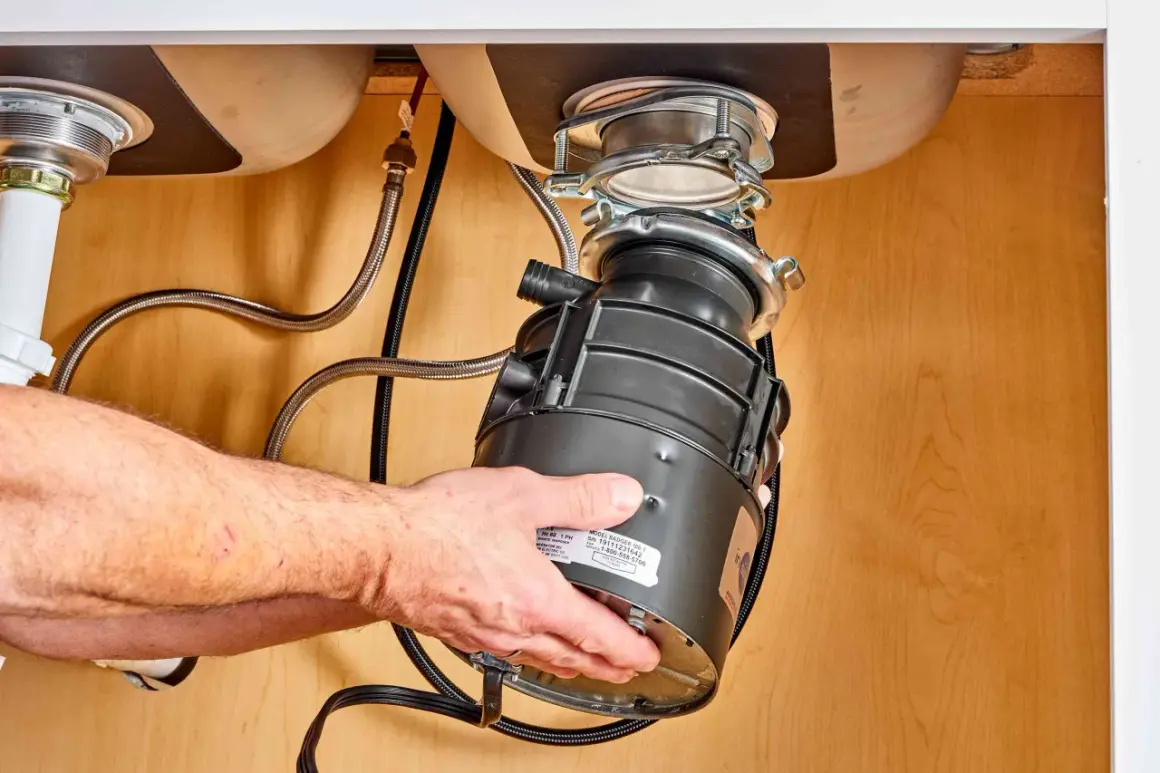
The things that decide whether the install works the first time
- Check the sink opening, cabinet space, and drain height before buying the unit. A good fit matters more than horsepower on day one.
- Choose the feed style that matches your household. Continuous-feed models are faster; batch-feed models are safer around kids.
- Match the power setup to the model. A corded unit needs a properly grounded outlet, while hardwired installs are electrical work.
- Expect plumbing details to matter. The flange, discharge elbow, trap, and dishwasher inlet all need to line up cleanly.
- Plan for a leak test, not just a power test. Most problems show up at the top flange or the elbow, not in the motor itself.
What has to be right before the new unit goes under the sink
I never start by shopping for horsepower. I start by checking whether the sink, cabinet, drain, and power supply can actually support the disposer without forcing awkward adapters into the line. That simple step saves more callbacks than any brand comparison ever will.
| Checkpoint | Why it matters | What I want to see |
|---|---|---|
| Sink opening and mount style | The flange and locking hardware have to match the sink setup. | A standard opening with room for the supplied mounting assembly. |
| Cabinet clearance | The motor body, trap, and dishwasher hose all need space to sit naturally. | Enough room to mount the unit without compressing the drain line. |
| Drain alignment | Bad angles create standing water, vibration, and slow drainage. | A clean path from the discharge elbow to the P-trap. |
| Electrical access | Wiring changes turn a simple swap into a bigger project. | A grounded outlet for corded models or a safe plan for hardwiring. |
| Dishwasher connection | If the dishwasher drains through the disposer, the inlet has to be opened correctly. | A hose route that matches the unit and local code. |
| Local code considerations | GFCI rules, outlet placement, and dishwasher drainage can vary by area. | A setup that fits the house, not just the box. |
The point is simple: if the sink flange, outlet, and trap are already close to where the new unit expects them to be, the rest of the job is manageable. If one of those three is off, the install becomes a parts-and-adjustments project instead of a straightforward replacement. Once that is clear, the next decision is choosing a unit that fits the household instead of just the catalog page.
Choosing the right disposal for the kitchen
For most homes, I narrow the choice down to feed style and motor size. Feed style affects convenience and safety; horsepower affects how well the unit handles frequent use, fibrous scraps, and the occasional tougher load.
| Option | Best for | Tradeoffs |
|---|---|---|
| Continuous feed | Busy kitchens that want to keep scraps moving while the switch is on. | Faster to use, but less forgiving if children can reach the sink while it runs. |
| Batch feed | Homes that want the disposer to start only when the stopper is in place. | Safer in practice, but slower and a little less convenient for heavy prep work. |
| 1/3 to 1/2 HP | Light-duty use, smaller households, and kitchens that only see occasional food waste. | Usually cheaper, but more likely to struggle with heavier use or noisy operation. |
| 3/4 HP | Most family kitchens. | Often the best balance of performance, price, and cabinet fit. |
| 1 HP | Frequent use, heavier meal prep, and buyers who want more headroom. | Costs more and may need more under-sink space, but usually feels less strained. |
I also look at the sink material. Stainless sinks often pair with a rubber gasket, while some cast sinks still call for plumber’s putty. That sounds minor, but it is exactly the kind of detail that keeps the top flange from weeping after the first week. A stronger motor is useful, but only after the mount and seal are correct, which is where the actual install begins.
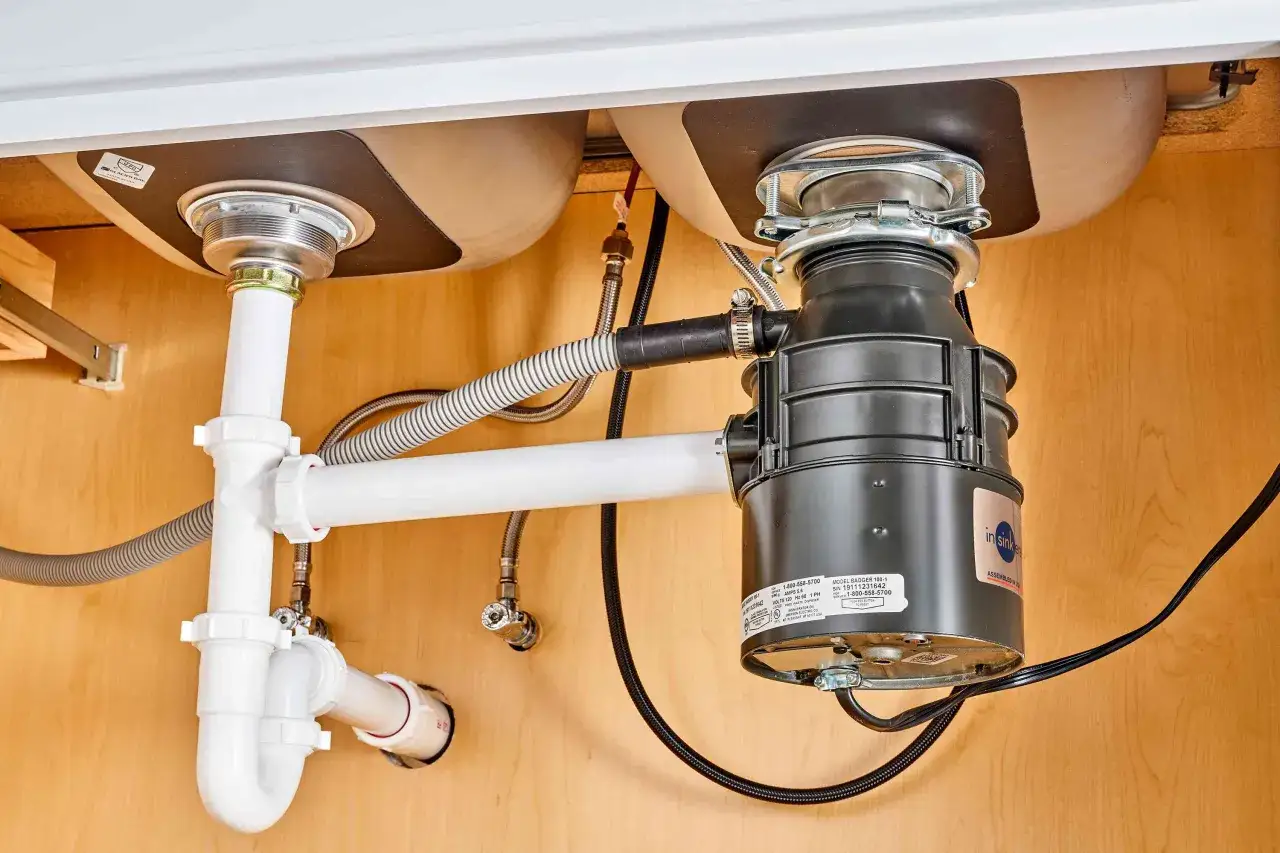
How I would install a new unit step by step
The cleanest installs follow the same order: prep the sink, mount the flange, make the power connection, connect the drain, then test for leaks under real water flow. I prefer to dry-fit everything first, because once sealant and clamps are tight, moving a pipe a half-inch can turn into a hassle.
Shut off power and clear the cabinet
I cut power at the breaker before touching anything under the sink. Then I empty the cabinet, put a towel or small pan under the trap, and inspect the old piping for corrosion, grease build-up, or a sagging section that needs replacement. If the drain line is coated with hardened grease, I clean it or snake it first instead of blaming the new disposal later.
Mount the sink flange
This is the part most people rush, and it is also the part most likely to cause a leak if it is sloppy. I remove old sealant from the sink opening, set the flange with the correct gasket or putty for the sink material, and tighten the support ring evenly so the flange does not move. A flange that is even slightly crooked can leak at the top, and that leak often shows up only after the cabinet is back in service.
Make the electrical connection
If the model uses a cord, I plug it into a properly grounded outlet that sits where I can reach it later. If the unit is hardwired, I treat that as a separate electrical task, not an afterthought. The cable needs proper strain relief, the ground needs to be correct, and if there is any doubt about the circuit, I stop and bring in a qualified electrician. That is not overcautious; it is cheaper than fixing a bad connection after the unit is mounted.
Connect the drain and dishwasher line
Next comes the discharge elbow and the trap connection. I line up the outlet so the pipe does not twist the disposer sideways, then tighten the clamp or slip-joint connection without crushing the gasket. If the dishwasher drains into the unit, I remove the knockout plug only when that connection is actually needed. Leaving that plug in place is a classic mistake: the dishwasher will not drain properly, and the disposer gets blamed for a problem it did not cause.
If the plumbing layout is tight, I use a flexible drain section only when the manufacturer allows it and the geometry really calls for it. The goal is a natural path, not a pipe that is being forced into position by brute strength.Read Also: Replace a Shower Head - Easy DIY Guide for a Perfect Seal
Leak test and first run
Before I call the job done, I run cold water and inspect every joint. Then I turn the disposer on, let it grind a small amount of food waste, and keep the water running for about 20 to 30 seconds after the grinding stops so the trap and branch line flush cleanly. I check the flange, the elbow, and the trap again after the first run, then return to it 24 hours later. If it is dry after that, the install is usually solid.
That sequence matters because it keeps the unit hanging from the mount the way it was designed to, instead of asking the drain piping to carry the weight of bad alignment. Once that is understood, the common failure points become much easier to spot.
Where installs go wrong and why
Most disposer problems are not dramatic. They are small mistakes that grow into leaks, hums, clogs, or a unit that shakes the cabinet every time it starts. I see the same few errors over and over.
- Reusing old seal material. A tired gasket or old putty line is a leak waiting to happen.
- Skipping drain cleaning. If the branch drain is packed with grease, the new disposer is only inheriting the blockage.
- Forgetting the dishwasher knockout plug. That one mistake can make the dishwasher drain slowly or not at all.
- Overtightening fittings. More force does not equal a better seal; it can distort the gasket or crack a fitting.
- Ignoring cabinet clearance. A unit that barely fits on paper often rubs, vibrates, or leaves no room for the trap.
- Powering it from the wrong setup. A corded model needs a safe grounded outlet, and a hardwired model needs correct electrical work.
Another detail worth respecting is leak location. When a disposal leaks at the top, the cause is usually the flange, gasket, or mounting ring. When it leaks lower down, the elbow or hose clamp is the first place I look. That distinction saves time because it points straight to the failed joint instead of encouraging random tightening everywhere. Once you know what to watch for, the decision to DIY or hire out becomes much clearer.
What the job usually costs and when to call a pro
For a straightforward replacement, the labor can be relatively contained. Home Depot currently lists a garbage disposal installation service at an average of $189, with a range of $97 to $339, and that price does not include the disposer itself. GE's installation instructions for one common model also put a basic install at about one hour, but that assumes ordinary mechanical skills and no surprise plumbing or wiring changes.That cost picture changes fast when the work is no longer a simple swap. If you need a new outlet, a hardwired connection, a repaired trap, or cabinet modifications, the job moves into a different bracket.
| Situation | My recommendation |
|---|---|
| Existing disposal, same sink opening, grounded outlet already in place | A careful DIY replacement is reasonable if you are comfortable working under a sink. |
| No outlet, no cord, or a hardwired connection is required | Bring in an electrician or a plumber who routinely handles electrical tie-ins. |
| Cracked flange, rotten cabinet floor, or corroded trap | Hire a pro and let them correct the damaged parts before mounting anything new. |
| Dishwasher connection plus tight cabinet space | Professional install is often worth the money because access becomes the main difficulty. |
| Any uncertainty about code or grounding | Stop and verify the setup before turning power back on. |
My rule is blunt: if the job is only a swap, DIY can make sense; if the job changes the plumbing or the electrical layout, the savings disappear quickly. The last piece is the one people ignore most often, even though it decides how long the new disposal stays trouble-free.
The habits that keep a new disposer from becoming a maintenance chore
Once the unit is installed, I treat it like a small appliance with a few strict habits. It is not a trash can, and it is not built to forgive bad feeding habits forever. The best way to protect the install is to use it the way the drain system expects.
- Run cold water before, during, and after grinding.
- Keep the water running for roughly 20 to 30 seconds after the food is gone.
- Avoid grease, fibrous peels, bones, pits, shells, glass, metal, string, and similar debris.
- Check the top flange and the discharge elbow again after the first day of use.
- Make sure the sink is empty before running the dishwasher if the disposer shares that drain path.
That is the part I would remember if I were doing the job in my own kitchen: a good installation is half workmanship and half restraint. When the mount is solid, the plumbing is aligned, and the wiring is correct, the disposer disappears into daily use instead of demanding attention every few weeks. If you want the install to last, build around fit and drainage first, then treat the motor as the final piece, not the starting point.